Using Drones in Environmental Sciences – Reflection Report
Introduction
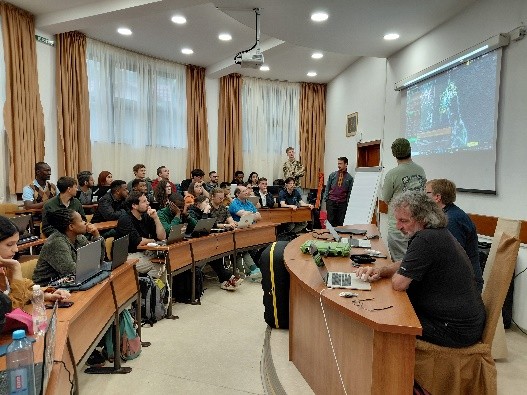
In June 2026, I participated in the "Using Drones in Environmental Sciences" Blended Intensive Programme held in Sinaia, Romania. The aim of the program was to teach the use of unmanned aerial vehicles in environmental sciences through theoretical training and hands-on fieldwork. Throughout the program, I had the opportunity to collaborate with students and academics from various countries while gaining knowledge and experience regarding the application of drone technologies in areas such as environmental monitoring, data collection, and the documentation of cultural heritage.
What I Learned
Throughout the program, I learned that the process of collecting data via drones involves far more than simply conducting a flight. It was emphasized that flight planning, safety measures, the selection of appropriate equipment, and the assessment of environmental conditions are crucial for a successful operation. I also realized that the processing and analysis of the captured imagery are just as important as the data collection itself.
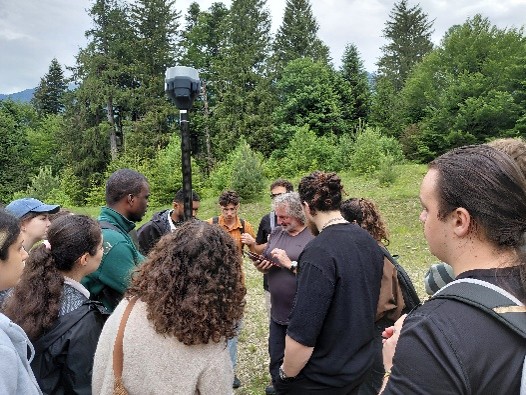
One of the most instructive aspects of the program for me was the way theoretical knowledge was reinforced through direct field applications. Through work conducted in natural areas and cultural heritage sites, I had the opportunity to observe firsthand how drone technologies can be utilized across various fields of research. In particular, witnessing the advantages offered by high-resolution aerial imagery, especially for documenting historical structures and conducting environmental observation, broadened my perspective on the potential applications of this technology.
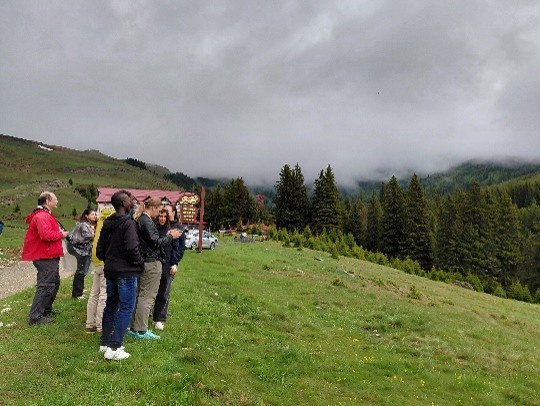
Weather conditions during the program also provided a valuable learning experience. Heavy rain and fog necessitated adjustments to some of the planned activities. This situation demonstrated to me that unexpected conditions can always arise during fieldwork and highlighted the importance of flexible planning and sound decision-making for successful research.
Skills and Personal Development
Through this program, I enhanced my technical knowledge regarding the application of drone technologies in environmental sciences. At the same time, working within an international team strengthened my communication and collaboration skills. Exchanging ideas with students from diverse academic backgrounds helped me appreciate the importance of approaching the same problem from different perspectives.
Given my background in geomatics engineering and remote sensing, this program proved to be a highly beneficial experience. Having previously worked primarily with satellite imagery, I gained firsthand insight into the high spatial resolution and flexible data acquisition capabilities offered by drone data. I believe this experience will contribute to my future research endeavors.
Conclusion
Overall, the "Using Drones in Environmental Sciences" program offered a highly productive educational experience that combined theoretical knowledge with practical application. Through the program, I gained a better understanding of the opportunities drone technologies offer for environmental research and cultural heritage studies. Furthermore, I experienced firsthand that working in an international environment, communicating effectively within a team, and adapting to changing field conditions are crucial aspects of scientific work. I believe this program will make a significant contribution to both my academic development and my future professional endeavors.